Egypt
The Nile from Cairo to Abu Simbel around two dates: the Sun Festival on 21–22 October and the Grand Egyptian Museum's first birthday. Official ticket pages, the Abu Simbel lodge, dahabiya and cruise guides, the sleeper train, Luxor and Aswan stays, Cairo restaurants and the honest reviews.
Curated by Epic Itineraries · 21 saved links · updated 14 September 2026
Where this comes from
21 saved links · 8 articles · 5 stays · 4 activities · 2 restaurants · 2 videos · from egymonuments.gov.eg, lonelyplanet.com and 16 more
- Activity
Grand Egyptian Museum - Official Ticketing Website
The only official seller of GEM timed-entry tickets (visit-gem.com redirects here); there is no on-site box office, so this page is the single gate between a reader and the Tutankhamun galleries.
tickets.gem.eg - Article
The Museum ❒ Grand Egyptian Museum (GEM)
The museum's own account of the building, the twelve galleries, the Grand Staircase and the Khufu boat pavilion — the authoritative source for what is actually on display after the November 2025 opening.
gem.museum 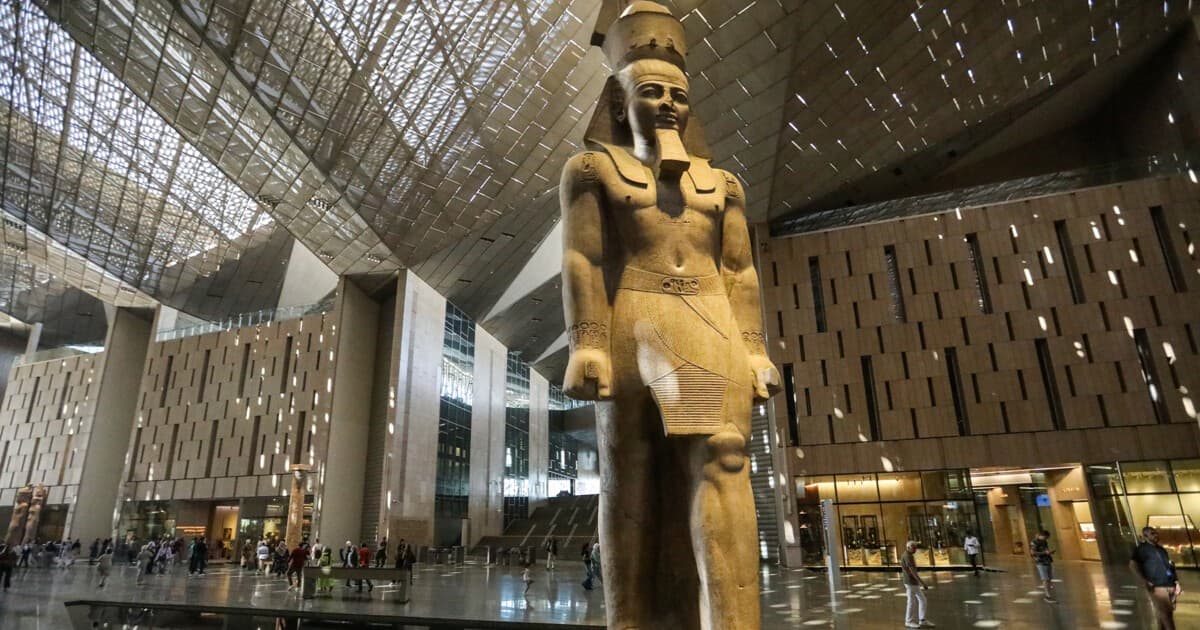 Article
Neal Spencer · At the Grand Egyptian Museum: New Pharaonism
The absence of critical or fresh perspectives on Egyptology and its history, or any of the decolonial approaches that...
lrb.co.uk Article
5 Highlights of Egypt's New Grand Egyptian Museum
These are the must-see highlights of Cairo’s new, long-awaited museum.
nationalgeographic.com Article
A look inside Egypt’s newly unveiled Grand Egyptian Museum
After two decades and an estimated cost of $1bn, the Grand Egyptian Museum opens its doors to the public on Tuesday.
aljazeera.com- Article
A First-Time Guide to Cruising the Nile
Want to cruise the Nile Valley? Here's what you should know.
lonelyplanet.com - Article
14 Things to Know Before You Go to Egypt
From getting around to staying safe to minding your etiquette, here are our top tips for visiting Egypt.
lonelyplanet.com  Article
Train travel in Egypt | 2026 schedules, fares & tickets
A practical guide to train travel in Egypt with train times, fares & how to buy tickets between Cairo, Alexandria, Luxor & Aswan.
seat61.com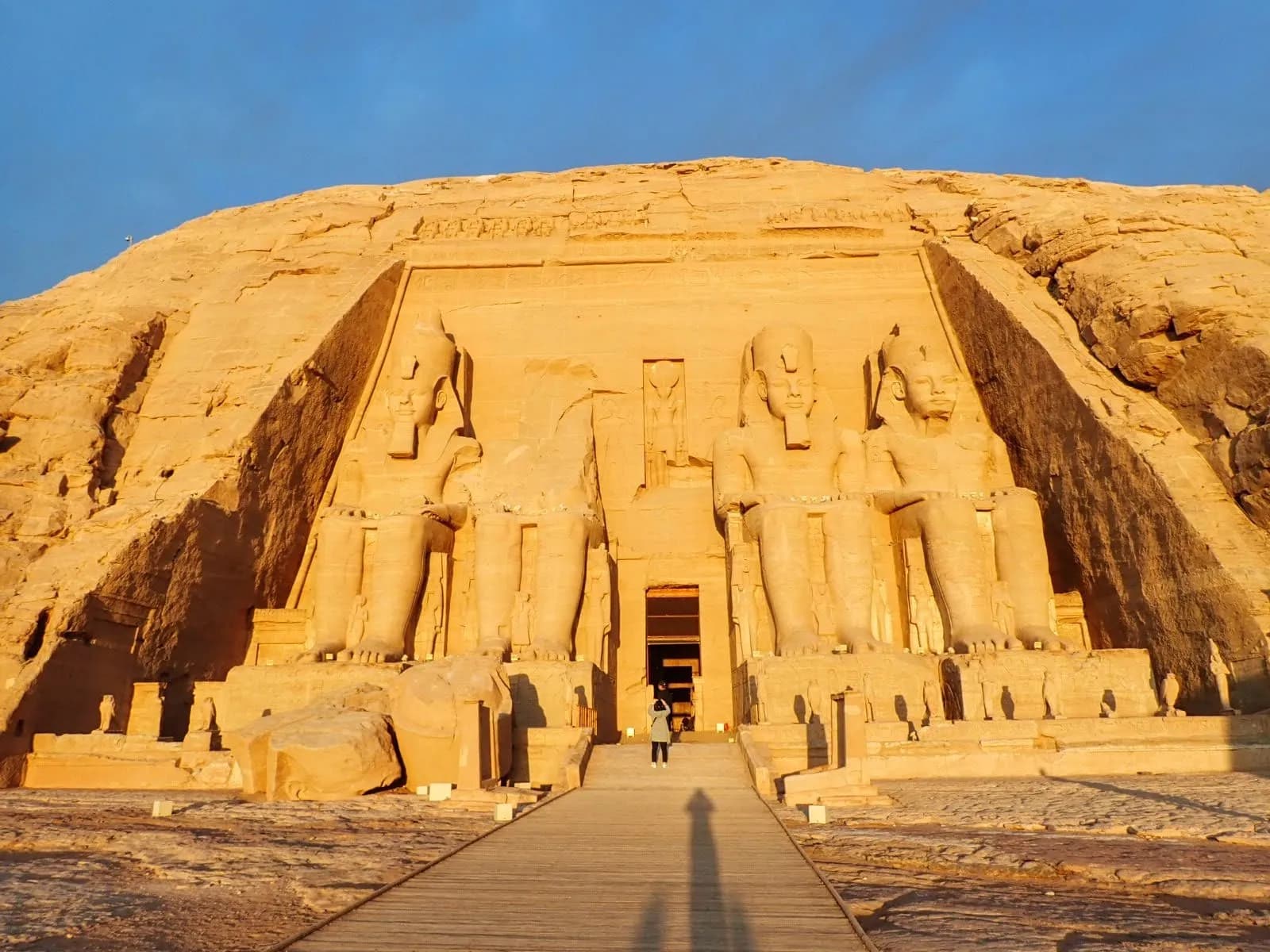 Article
Traveler’s Guide to the Abu Simbel Sun Festival (+ Tips for Avoiding Crowds)
The Sun Festival is a special time to visit the temples at Abu Simbel, and if you time it right, you can see this unique phenomenon without the crowds. Here's how.
exploringwild.com Activity
Abu Simbel
The Great Temple of Abu Simbel, in Nubia near Egypt’s southern border, is among the most awe-inspiring monuments of Egypt. It was cut into the living rock by King Ramesses II (the Great) of the Nineteenth Dynasty, around 1264 BC. The temple is most well known for the four imposing seated colossal statues that dominate its façade. One of these collapsed because of an ancient earthquake, and its fragments can still be seen on the ground. Colossal standing statues of the king line the main hall, leading to the sanctuary where four deities are sat: Amun Ra, Ra Horakhty, Ptah, and a deified version of Ramesses II. The temple was built with such precision that on two days a year, the 22nd of February and 22nd of October, the sun’s rays enter the temple, cross the main hall, and illuminate the innermost statues. Another rock-cut temple to the north, known as the Small Temple, is dedicated to the goddess Hathor and Ramesses II’s Great Royal Wife, Queen Nefertari. On the façade of the Small Temple, her colossi are the same size as those of her husband, a very rare example of such display. The two temples were moved from their original location in 1968 after the Aswan High Dam was built, as it threatened to submerge them. The relocation was completed thanks to an international effort led by UNESCO, and the temple was admitted into its list of World Heritage Sites in 1979. to download A Guide to Aswan click here!
egymonuments.gov.eg Activity
Valley of the Kings
The rulers of the Eighteenth, Nineteenth, and Twentieth Dynasties of Egypt’s prosperous New Kingdom (c.1550–1069 BC) were buried in a desolate dry river valley across the river from the ancient city of Thebes (modern Luxor), hence its modern name of the Valley of the Kings. This moniker is not entirely accurate, however, since some members of the royal family aside from the king were buried here as well, as were a few non-royal, albeit very high-ranking, individuals. The Valley of the Kings is divided into the East and West Valleys. The eastern is by far the more iconic of the two, as the western valley contains only a handful of tombs. In all, the Valley of the Kings includes over sixty tombs and an additional twenty unfinished ones that are little more than pits. The site for this royal burial ground was selected carefully. Its location on specifically the west side of the Nile is significant as well. Because the sun god set (died) in the western horizon in order to be reborn, rejuvenated, in the eastern horizon, the west thus came to have funerary associations. Ancient Egyptian cemeteries were generally situated on the west bank of the Nile for this reason. The powerful kings of the New Kingdom were laid to rest under the shadow of a pyramid-shaped peak rising out of the cliffs surrounding the valley. The selection of even the specific valley in which the royal tombs were excavated was not left to chance. The pyramid was a symbol of rebirth and thus eternal life, and the presence of a natural pyramid was seen as a sign of the divine. This entire area, and the peak itself, was sacred to a funerary aspect of the goddess Hathor: the “Mistress of the West”. The isolated nature of this valley was yet another reason for its selection as the final resting place of the pharaoh. Tomb robberies occurred even in ancient times. The Egyptians were aware of this, having seen the a fate of the Old and Middle Kingdom pyramids, so they opted for hidden, underground tombs in a secluded desert valley. The first New Kingdom ruler that is confirmed to have been buried in the Valley of the Kings was Thutmose I (c.1504–1492 BC), the third king of the Eighteenth Dynasty. According to Ineni, the high official who was in charge of the digging of his tomb: “I oversaw the excavation of the cliff-tomb of his Person [the king] in privacy; none seeing, none hearing.”
egymonuments.gov.eg- Activity
Sunrise Hot Air Balloon Rides - Sindbad Balloons
Sunrise Hot Air Balloon Rides If you’re looking for the best hot air balloon rides, sunrise is always the way to go. Sunrise flights are wonderful. The winds are calm and you get to see the sun come up over the Thebes while you are 1500 feet above the earth.…
sindbadballoons.com 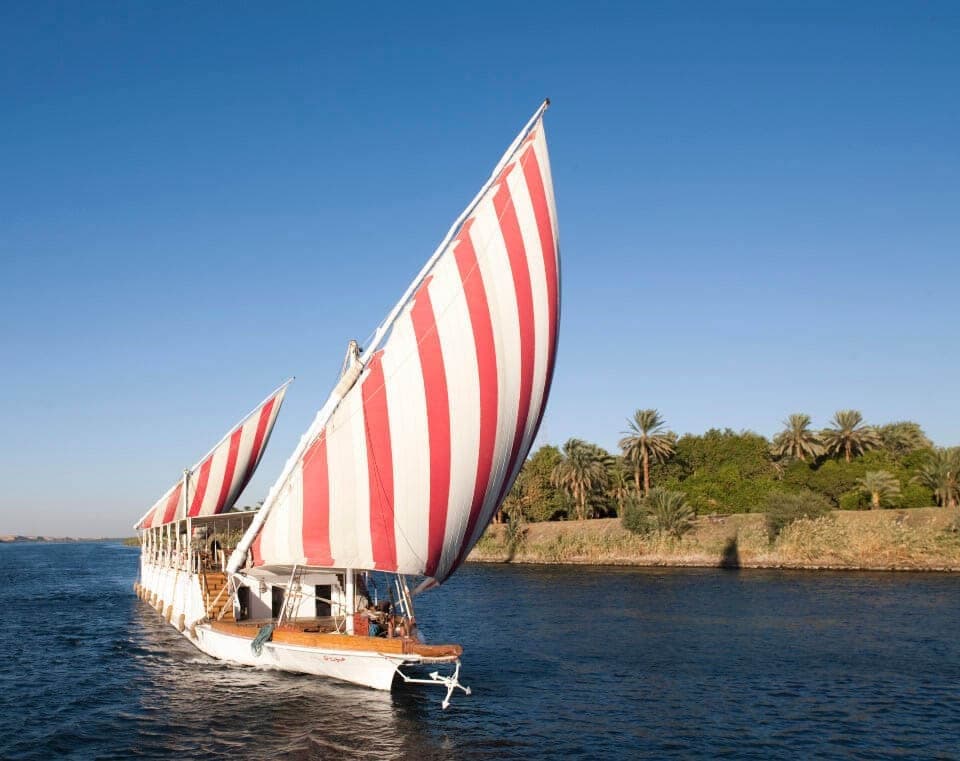 Stay
StayNour El Nil | Luxury Nile Egypt Boat Tours
Discover archaological treasures, magnificent deserts, breathtaking views, and all Egypt has to offer with Nour El Nil Luxury Nile Boat Tours.
nourelnil.com- Stay
Wadi Kiki Hotels – From the heart of Gharb Soheil, Anakato was born — not as just a place to stay, but as a story to live. Nestled inside the Nubian village, along the Nile’s first cataract and surrounded by granite islands and acacia trees, Anakato blends authentic Nubian design with modern comfort. With houses ranging from 5 to 9 bedrooms and a total of 50 rooms, Anakato welcomes individuals, families, and groups to experience a home where culture, nature, and hospitality come together.
Nubian-owned guesthouses inside the village at the first cataract — the way to experience Gharb Soheil as a place you sleep rather than a two-hour henna-and-camel stop.
anakato.com 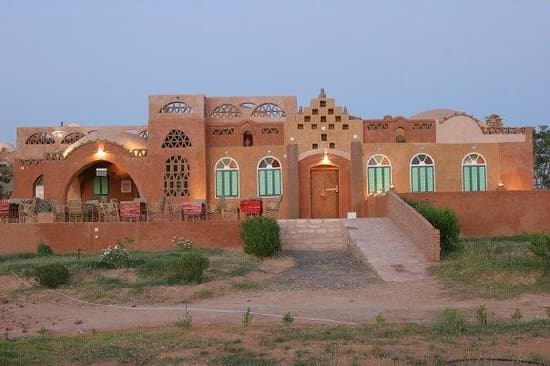 Stay
StayESKALEH NUBIAN ECOLODGE - Updated 2026 Lodge Reviews & Prices (Abu Simbel, Egypt)
Book Eskaleh Nubian Ecolodge, Abu Simbel on Tripadvisor: See 283 traveler reviews, 414 candid photos, and great deals for Eskaleh Nubian Ecolodge, ranked #1 of 4 specialty lodging in Abu Simbel and rated 4 of 5 at Tripadvisor.
tripadvisor.com- Stay
Al Moudira Hotel | An Oasis of Tranquility | Luxor, Egypt
Al Moudira Hotel is an oasis on the west bank of the Nile in Luxor, near the UNESCO World Heritage site of ancient Thebes and the Valley of the Kings.
moudira.com 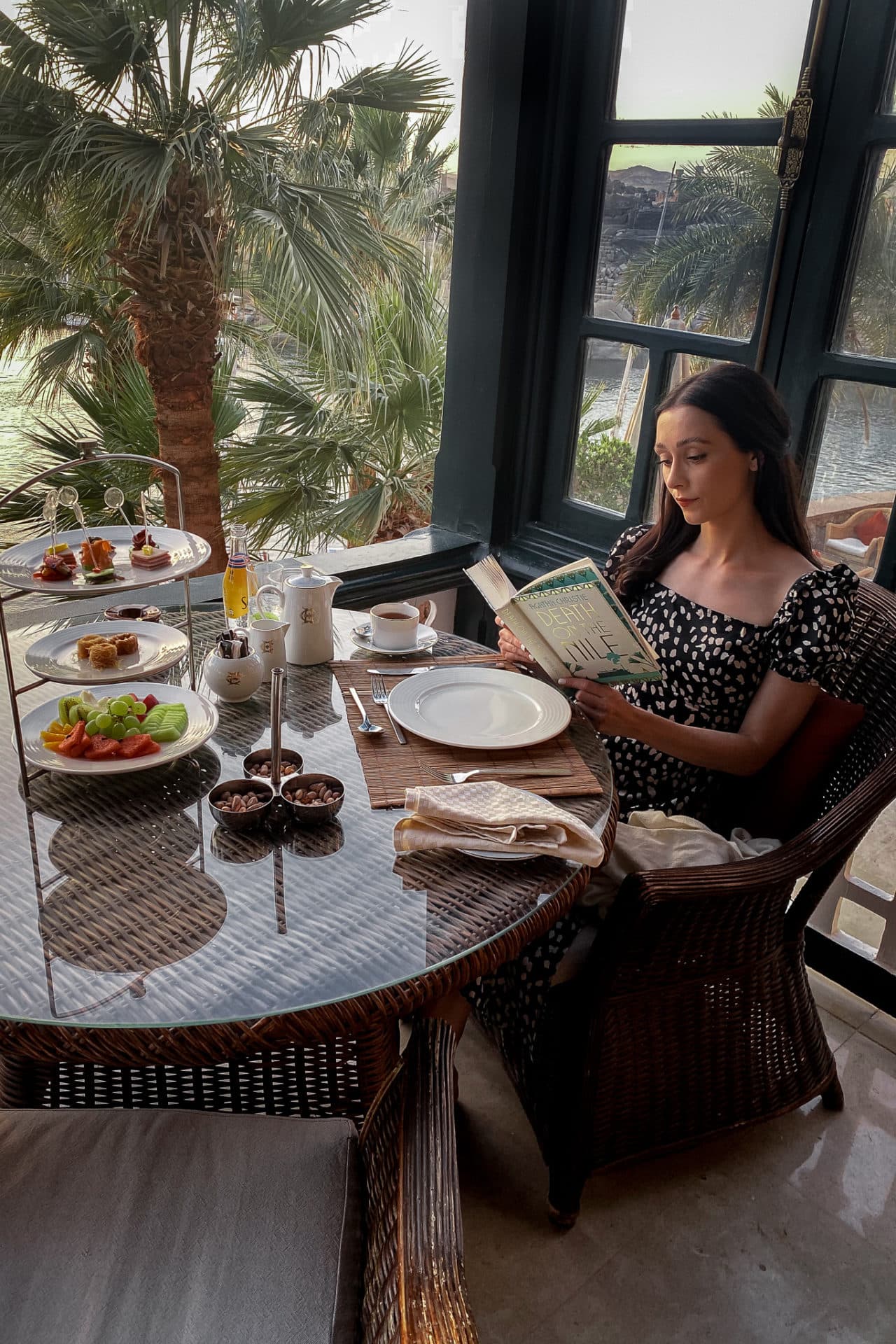 Stay
StayInside the Sofitel Legend Old Cataract: A Hotel Review
Historic, mysterious, magical - popular depictions of the famous Sofitel Legend Old Cataract Hotel in Aswan, Egypt - and for good reason.
jordangassner.com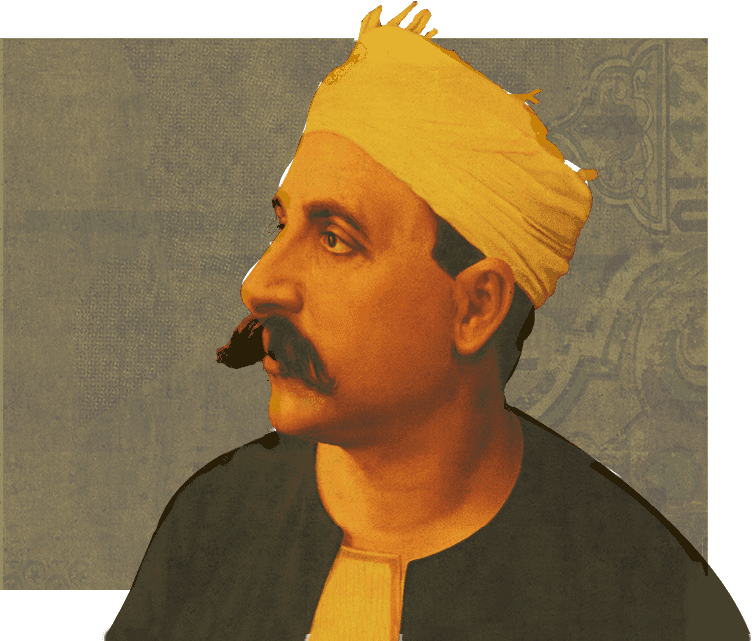 Food
FoodAbou El Sid
Abou el Sid is the quintessential authentic Egyptian cuisine experience. It is a place locked in time and space, where the famous Egyptian hospitality proves to be timeless, offering authentic and generous flavors that one will never fail to keep a sweet memory of.
abouelsid.com- Food
Zööba - Fresh out of Cairo
At Zooba, familiar Egyptian street food gets a whole makeover with a signature new look. Zooba uses only the freshest local produce to create simple, flavorful, gourmet foods. Think beans in a soup, lentils in a salad, pastrami in a sandwich and grilled corn for dessert.
zoobaeats.com 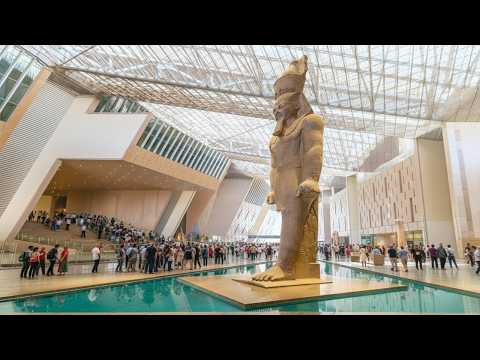 Video
VideoGrand Egyptian Museum - Egypt's New $1 Billion Museum | GEM Tour & Review 4K
A 62-minute post-opening walkthrough with over two million views: the Grand Staircase, the hanging obelisk and the Tutankhamun galleries in sequence, which is the best way to judge how much time to book.
youtube.com Video
VideoOur Nile Cruise Experience: The Good & Bad!
A rare Nile cruise video that names the downsides — 05:00 temple calls, shop stops, the Esna lock queue — filmed three weeks after the GEM opening.
youtube.com


Take it from here
Everything on this page is public. An account is where it becomes your own trip.
- Save a collection and add your own finds
- Ask for a day-by-day plan that shows where each stop came from
- See what’s on near your saves in the run-up to your trip
- Take it with you on the trip, one day at a time