Nagasaki, Japan
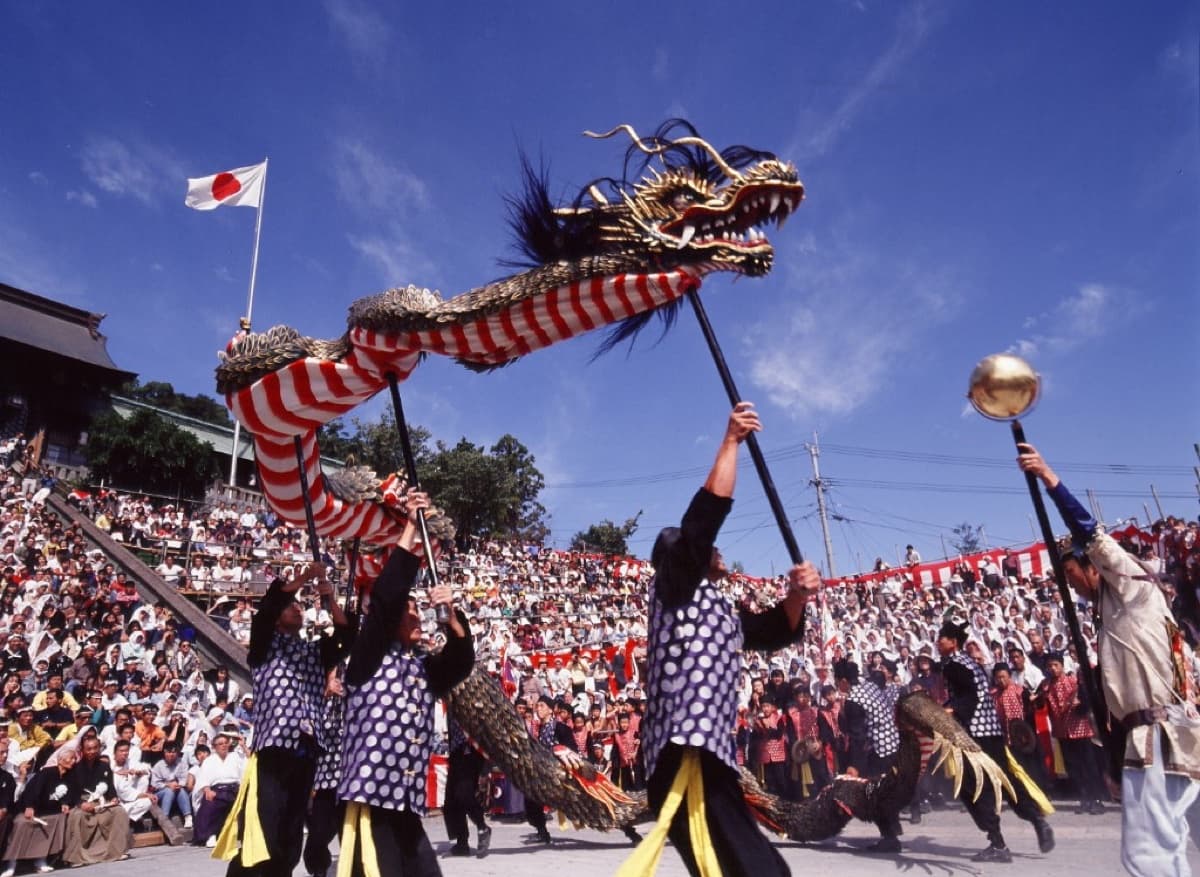
Our curated guide to Nagasaki for Kunchi week and beyond: how to see the 7–9 October festival without a ticket, the dragon dance that returns once in seven years, the houses where champon and castella were born, the red-brick boutique hotel on the Glover slope, Mount Inasa at dusk and the shinkansen from Fukuoka.
Curated by Epic Itineraries · 22 saved links · updated 7 September 2026
Places in this collection
Sights (52)
- Dejima, Nagasaki
- Suwa Shrine, Nagasaki
- Glover Garden, Nagasaki
- Mount Inasa, Nagasaki
- Yasaka Shrine, Nagasaki
- Chuo Koen, Nagasaki
- Oura Cathedral, Nagasaki
- Oura Church, Nagasaki
Areas (22)
- Chinatown, Nagasaki
- Hamamachi, Nagasaki
- Nagasaki
- Nagasaki, Kyushu
Food & drink (22)
- Fukusaya, Nagasaki
- Horaiken Bekkan, Nagasaki
- Beard
- Bunjiro Higashi Furukawacho, Nagasaki
Getting around (21)
- Nagasaki Station, Nagasaki
- Fuchi Shrine Station, Nagasaki
- Hakata Station, Fukuoka
- Hamaguchimachi station, Nagasaki
Stays (18)
- Hilton Nagasaki, Nagasaki
- Hotel Forza Nagasaki, Nagasaki
- Nagasaki Marriott Hotel, Nagasaki
- Candeo Hotels Nagasaki Shinchi Chinatown, Nagasaki
111 more places in this collection
Where this comes from
22 saved links · 9 articles · 5 restaurants · 4 activities · 2 stays · 2 videos · from discover-nagasaki.com, youtube.com and 18 more
 Activity
Nagasaki Kunchi 2026: How to Actually See Kyushu's Wildest Autumn Festival
Nagasaki Kunchi 2026 falls Wed–Fri, Oct 7–9. Box seats run ¥18,000–¥36,000 and sold out in June — but the free street rounds are better anyway. Here is...
selfguidejapan.com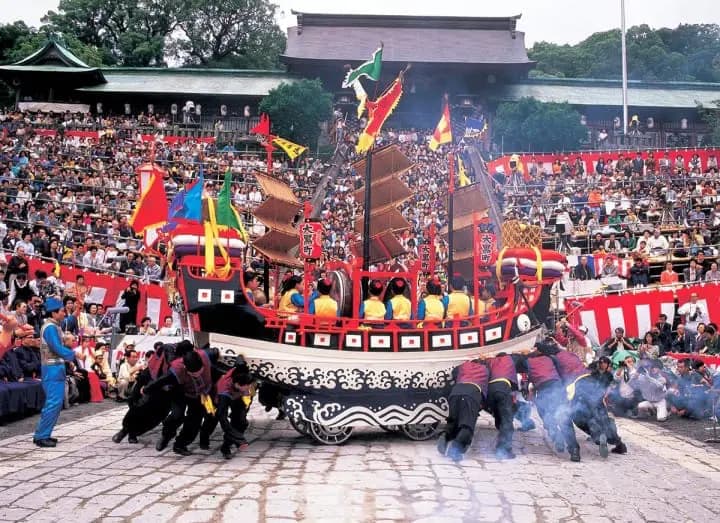 Article
Nagasaki Kunchi Festival 2026: Dates, Access, and Highlights
Discover Nagasaki Kunchi, October 7-9. Explore highlights, venues and tips for this historic fall festival, a National Important Intangible Folk Cultural Asset.
matcha-jp.com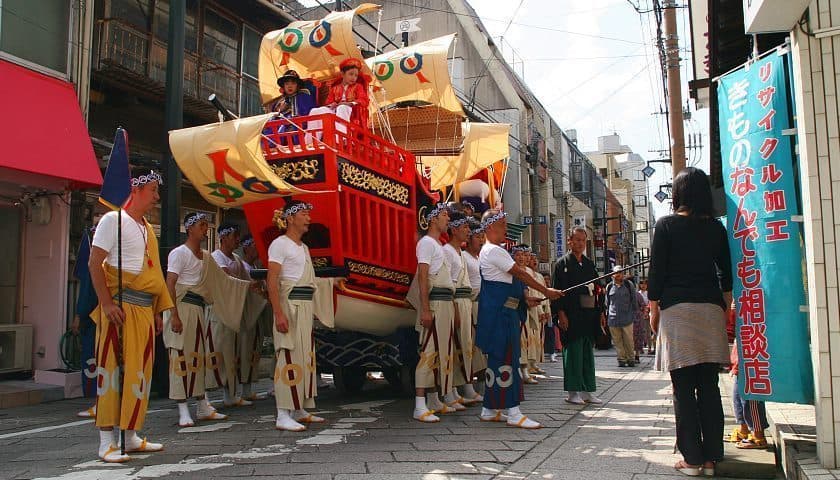 Article
Nagasaki Kunchi Festival
Visitor guide for Nagasaki Kunchi, the city's most famous festival.
japan-guide.com- Article
【2025年度版】長崎の秋の風物詩「長崎くんち」の見どころ&楽しみ方
Nagasaki Kunchi
en.hoshinoresorts.com 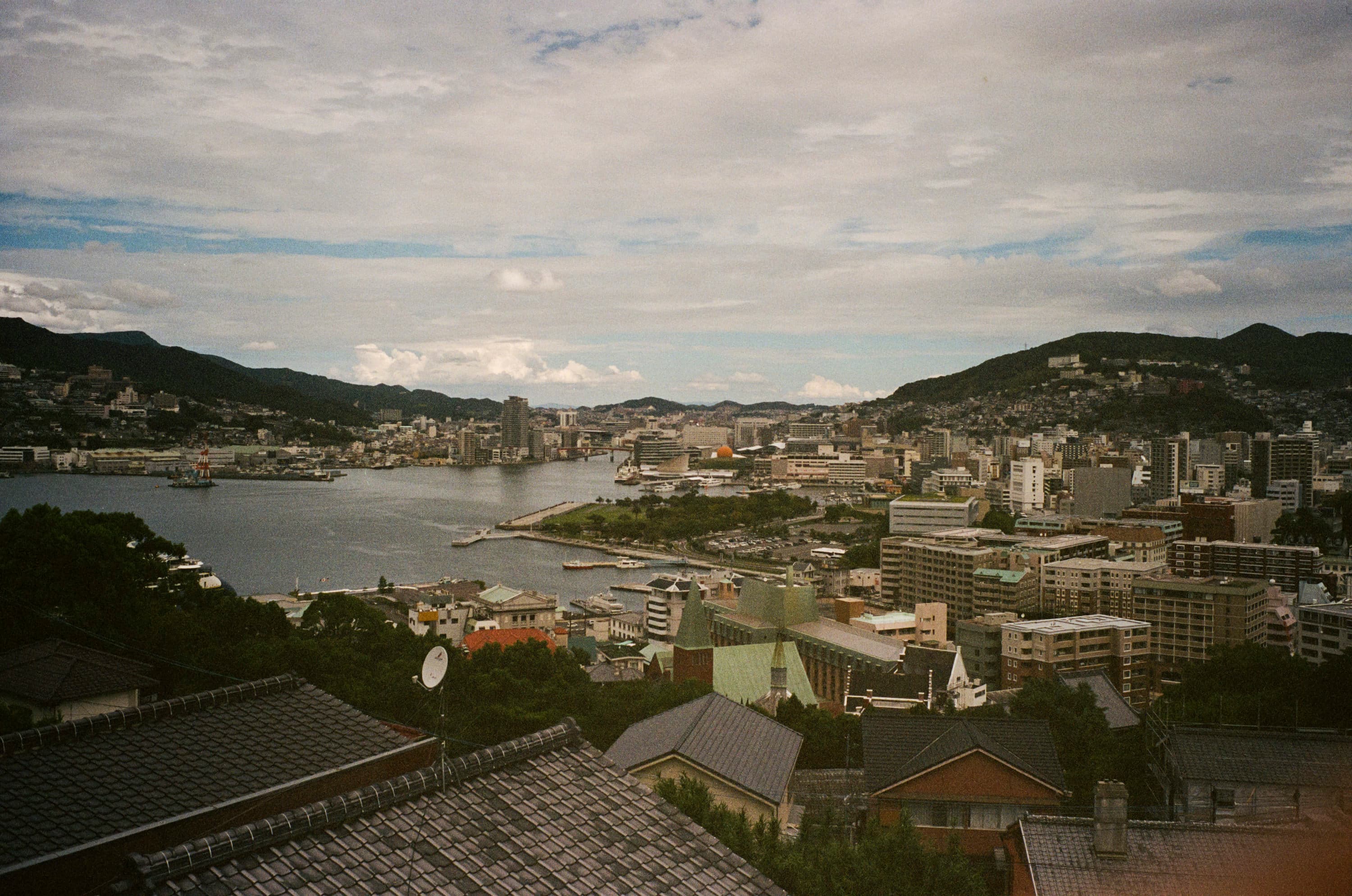 Article
My 2026 New York Times Pick — Nagasaki
The writer behind Nagasaki's New York Times listing on why he chose it: the downtown the bomb missed, the 1624 castella shop, an 800-year-old camphor tree and the cafés and mochi shops worth a detour.
craigmod.com- Article
Nagasaki is selected as one of The New York Times' “52 Places to go in 2026"
JNTO's summary of the NYT pick, citing the completed station redevelopment and the city's readiness for visitors.
japan.travel 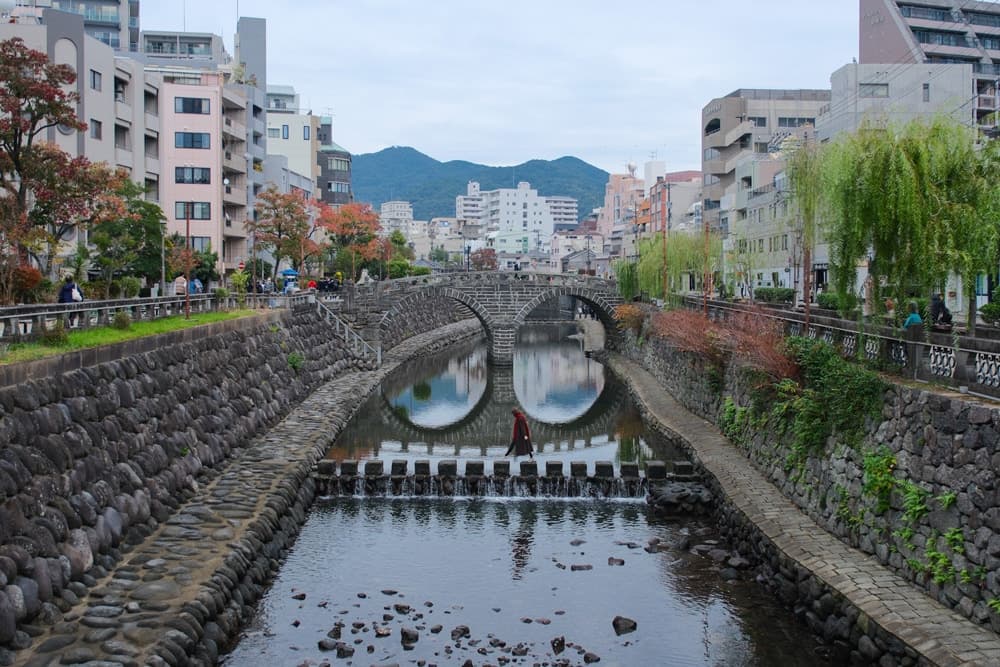 Article
The Perfect 2 Day Nagasaki Itinerary For First Time Visitors | The Navigatio Japan
If you’re planning to spend two days in Nagasaki but are not quite sure where to start, we’ve got a fully planned itinerary for you! This 2-day Nagasaki
thenavigatio.com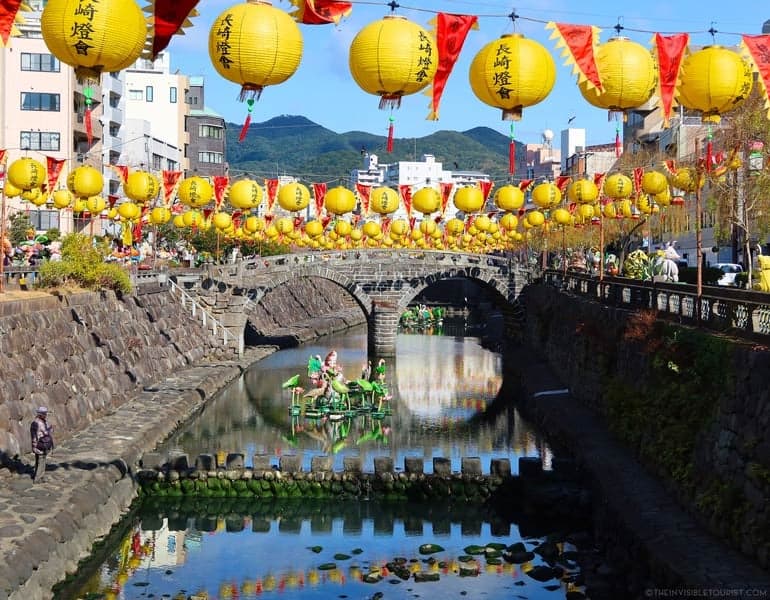 Article
2 Days in Nagasaki Itinerary: City of Million Dollar Views
Expert's detailed 2 days in Nagasaki itinerary for Japan. Find million dollar views, UNESCO sites, street food, amazing shrines & much more!
theinvisibletourist.com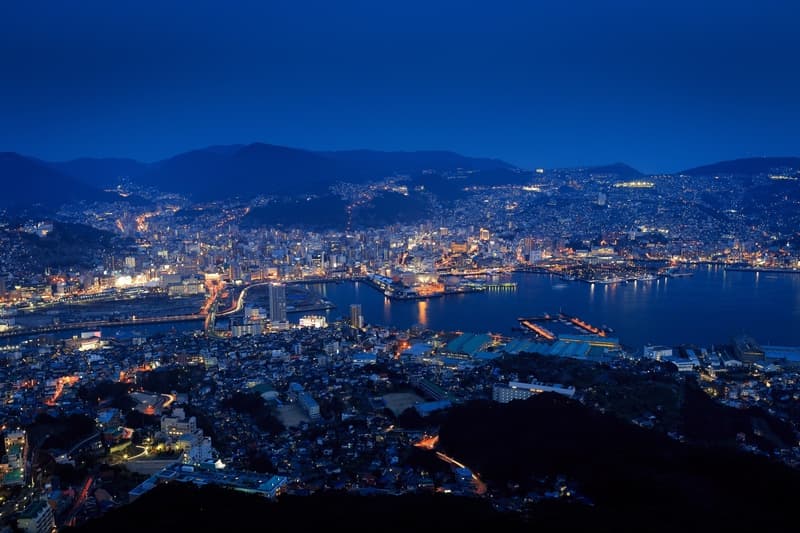 Activity
Mount Inasa Nagasaki: New Three Great Night Views & Ropeway
Mt Inasa in Nagasaki has one of Japan's New Three Great Night Views, reached by ropeway (¥1,250 round-trip). 333 m summit; observation deck open 10:00–21:00.
jeepe.jp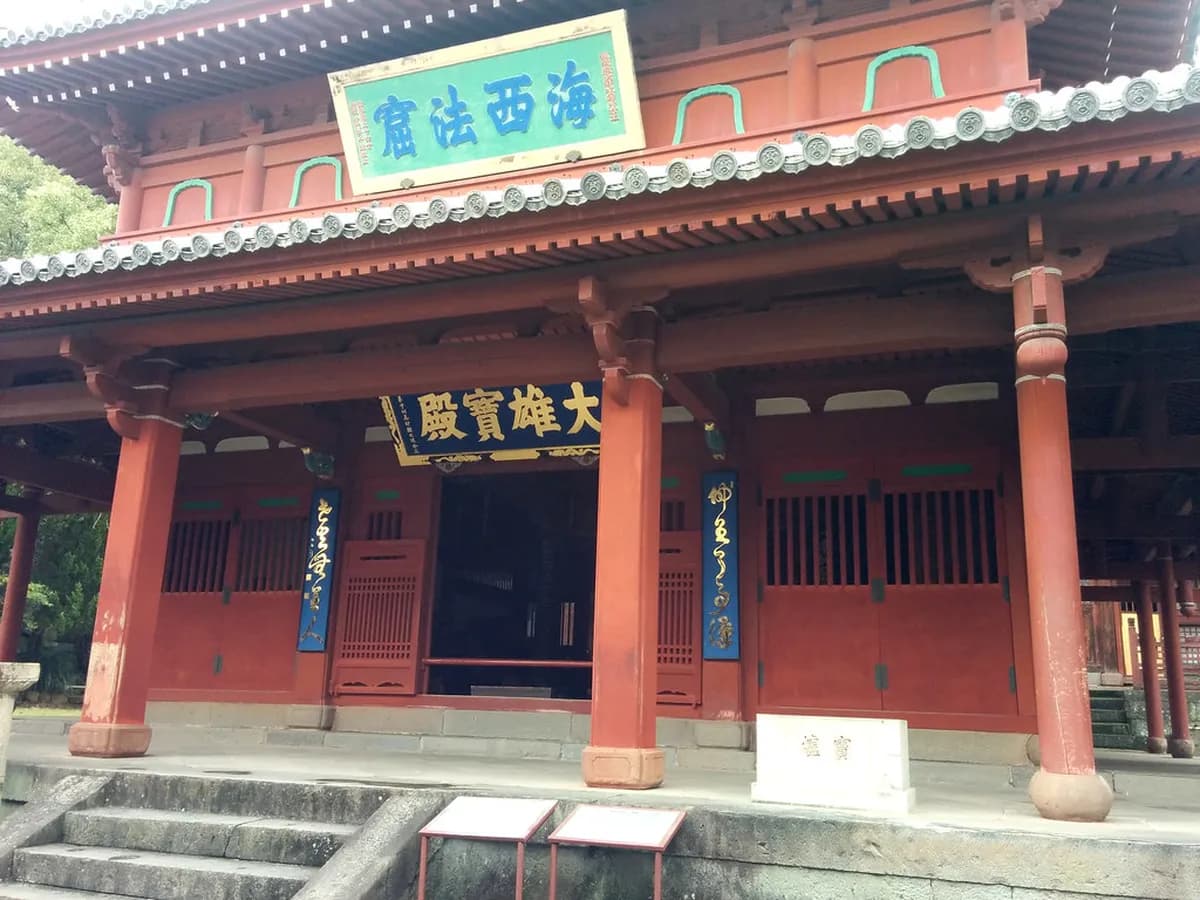 Activity
Sofukuji Temple Visitor Guide: 6 Things to Know Before You Go
Plan your visit to Nagasaki's "Red Temple" with our Sofukuji Temple visitor guide. Includes National Treasure highlights, tram access, and the Teramachi walking route.
japanactivity.com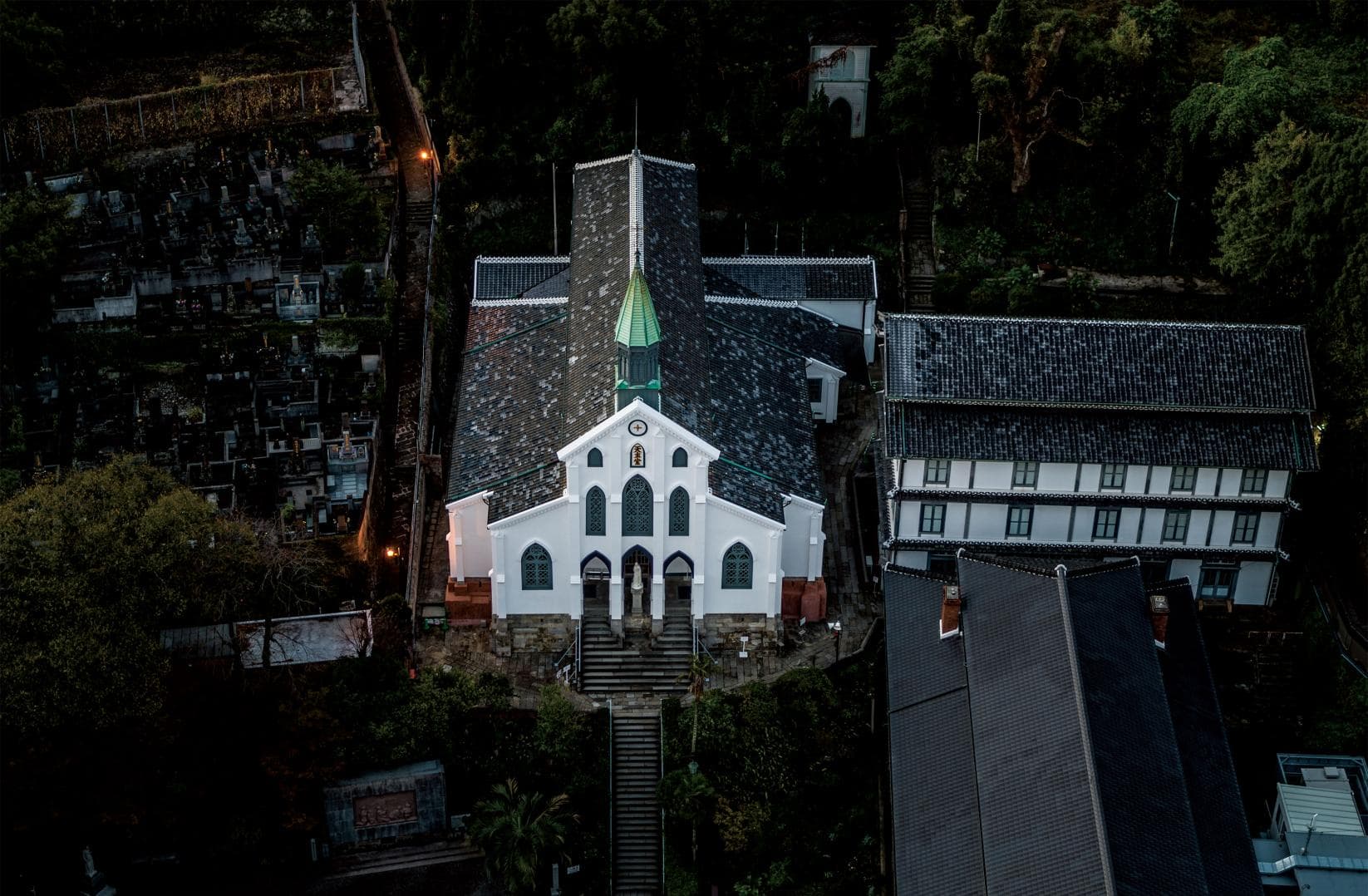 Activity
Oura Cathedral, dedicated to the Twenty-Six Holy Martyrs of Japan, and the discovery of the Hidden Christians | Featured Topics | DISCOVER NAGASAKI/The Official Visitors' Guide
Special feature on how to enjoy and spend time in Nagasaki Prefecture. During the last years of the Tokugawa shogunate and the early Meiji era beginning in 1867, the Christian missionaries who arrived in Japan worked with a vigor of unrivaled passion and managed to pass the baton on to their successors in a splendid manner. The bright light of hope fell upon their descendants in Nagasaki, a place filled with the history of the Hidden Christians who had overcome such a long and harsh period of suffering. And this all started with the completion of Oura Cathedral, the Basilica of the Twenty-Six Holy Martyrs of Japan.
discover-nagasaki.com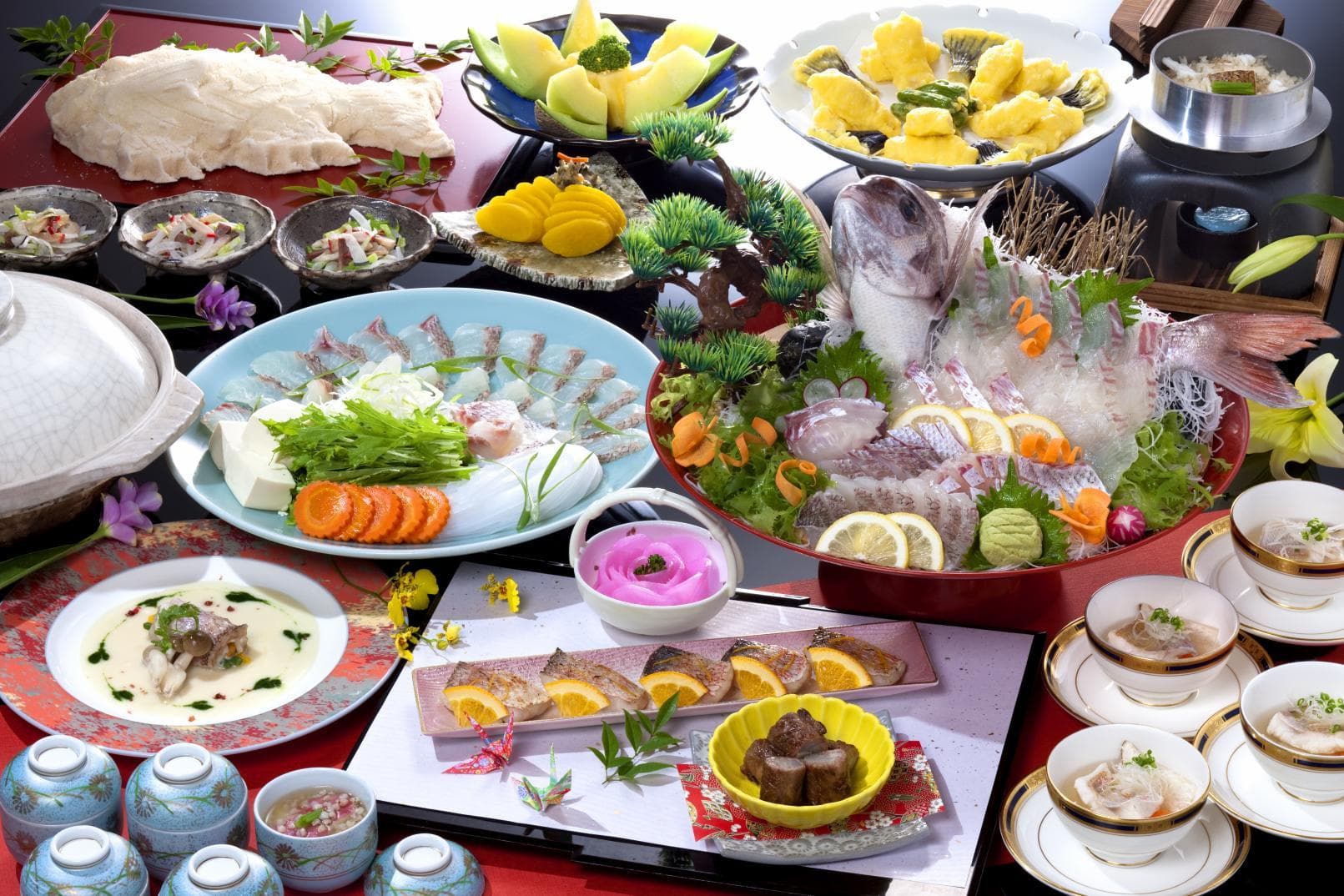 Food
FoodMust try! Nagasaki gourmet special
Special feature on how to enjoy and spend time in Nagasaki Prefecture. The culinary culture in Nagasaki Prefecture has always been one of a kind in Japan. Many local cuisines in the prefecture were developed in the Edo Period when Nagasaki was an international trading port. As such, the mixture of cultural influences were also reflected on the local dishes, and these tasty dishes were then passed down for generations to what it is famously known for today (champon, shippoku, castella and many more). Nagasaki is also a seafood kingdom. Having the fresh catch of the day is very common in local restaurants across the prefecture, and while some fish are limited to its season, the majority of the common and popular fish species are available year-round. Other info for you Search with GURUNAVI - Check and reserve the seat Vegetarian Friendly Restaurants - Check and choose to where to visit Restaurants in Nagasaki city - Enjoy restaurants during your trip around Nagasaki cit
discover-nagasaki.com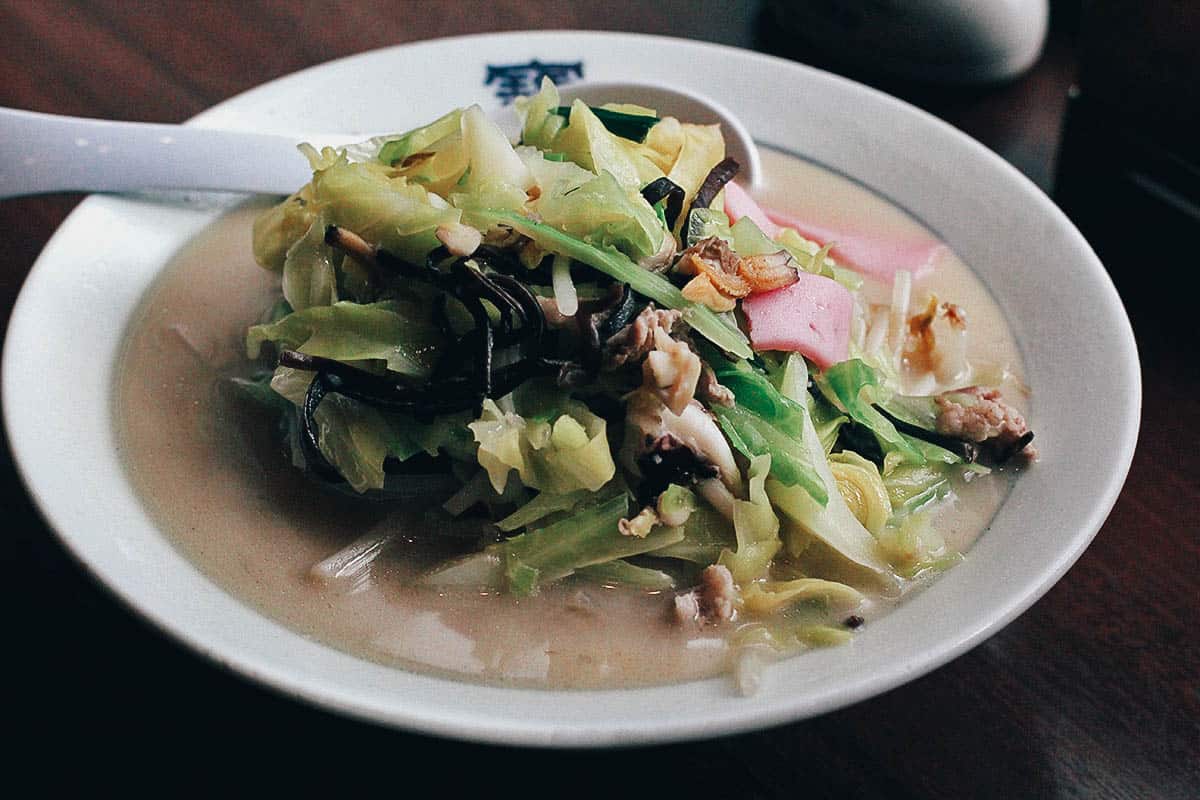 Food
FoodHoraiken Bekkan: Where to Eat Champon in Nagasaki, Japan
Nagasaki’s diverse cuisine is regarded as one of the most unique in Japan. It offers plenty of interesting dishes, perhaps none more famous than this Chinese-Japanese noodle soup called champon.
willflyforfood.net- Food
【公式】中華料理 四海樓
The restaurant where Chen Ping-shun invented champon for hungry Chinese students in 1899, now a harbour-view dining room with a small champon museum.
shikairou.com - Food
福砂屋オフィシャルサイト
The castella house that has baked the Portuguese-descended sponge cake in Nagasaki for four centuries — the shop the New York Times pick singles out.
fukusaya.co.jp  Food
FoodWhere Locals Eat in Nagasaki: 400 Years of Borrowed Recipes, Perfected
Nagasaki does not eat like the rest of Japan. It never has. For over 200 years, while the rest of the country was sealed shut during the Edo period, Nagasaki…
lokafy.com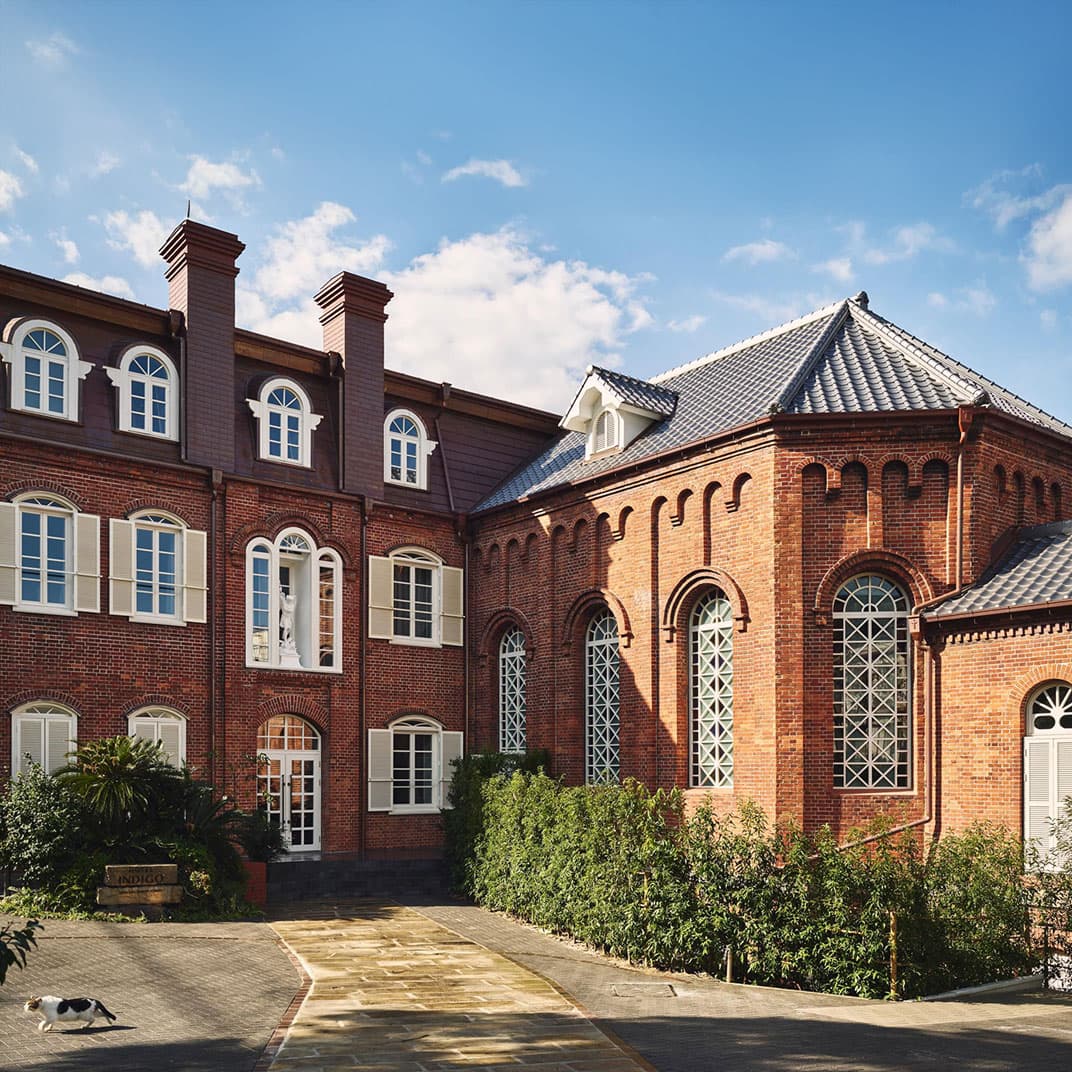 Stay
StayHotel Indigo Nagasaki Glover Street (Nagasaki, Nagasaki Prefecture) Verified Reviews | Tablet Hotels
Once a 19th-century redbrick landmark near Glover Garden, this former municipal building has been reimagined as Hotel Indigo Nagasaki Glover Street. The preserved stained-glass windows, white arches, and original masonry speak to the city’s global past, now layered with contemporary touches drawn from Japanese, Chinese, and European influences. Rooms are clean-lined and inviting, and the chapel-style restaurant serves inventive dishes beneath soaring windows. Just steps from Oura Cathedral and the hillside gardens, the hotel is a strong base for exploring one of Japan’s most culturally layered port cities.
tablethotels.com Stay
Stay【公式】長崎スタジアムシティ
- 長崎で感動と誇りあふれる「今」を届ける。「長崎スタジアムシティ」とは、ジャパネットグループがサッカースタジアムを中心にアリーナ・オフィス・商業施設・ホテルなどの周辺施設を民間主導で開発するプロジェクトです。
nagasakistadiumcity.com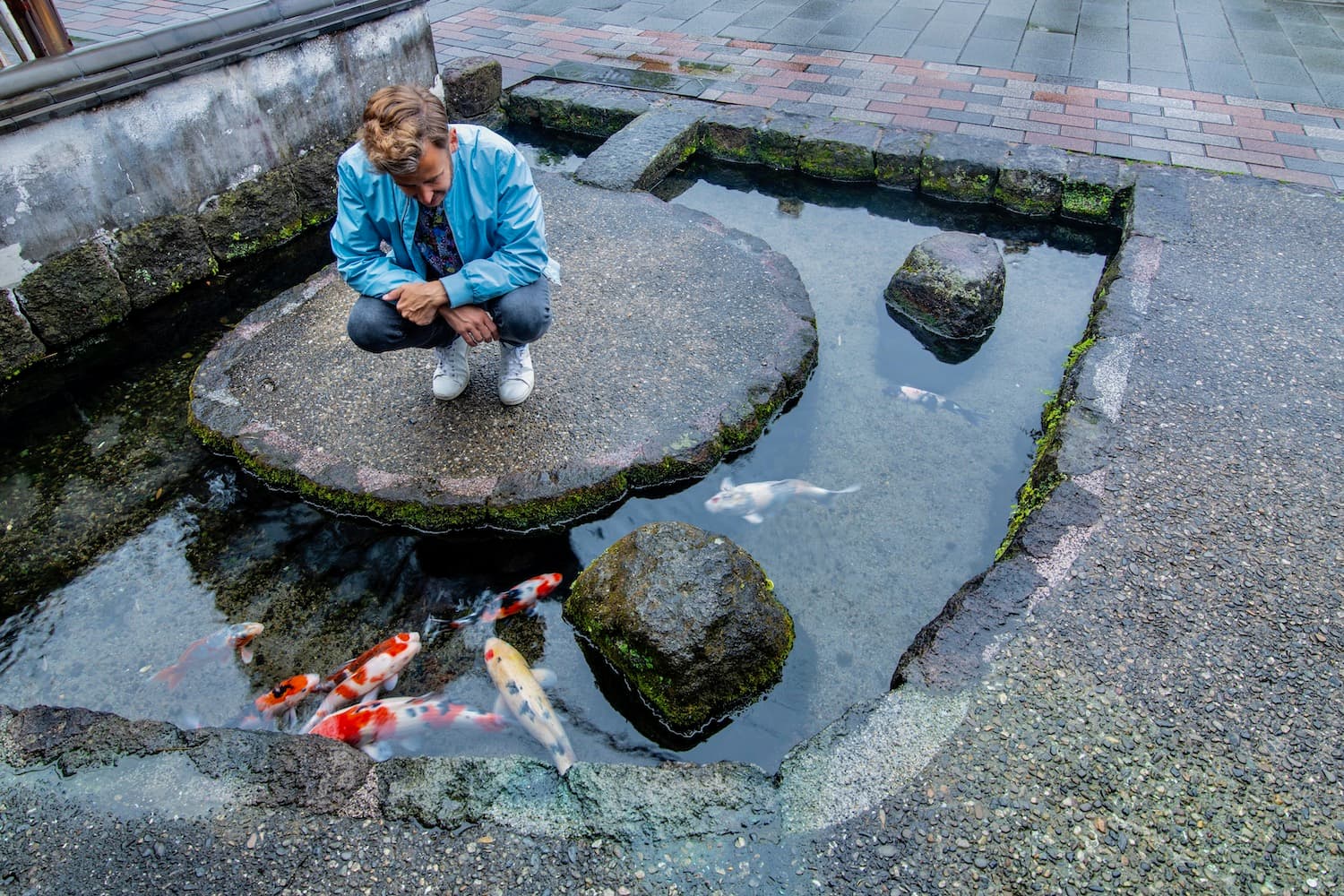 Article
A Two-in-One Day Trip from Nagasaki
Is Shimabara worth visiting? Yes—and especially if you pair it within nearby Mt. Unzen, which makes for an awesome two-in-one excursion.
japanstartshere.com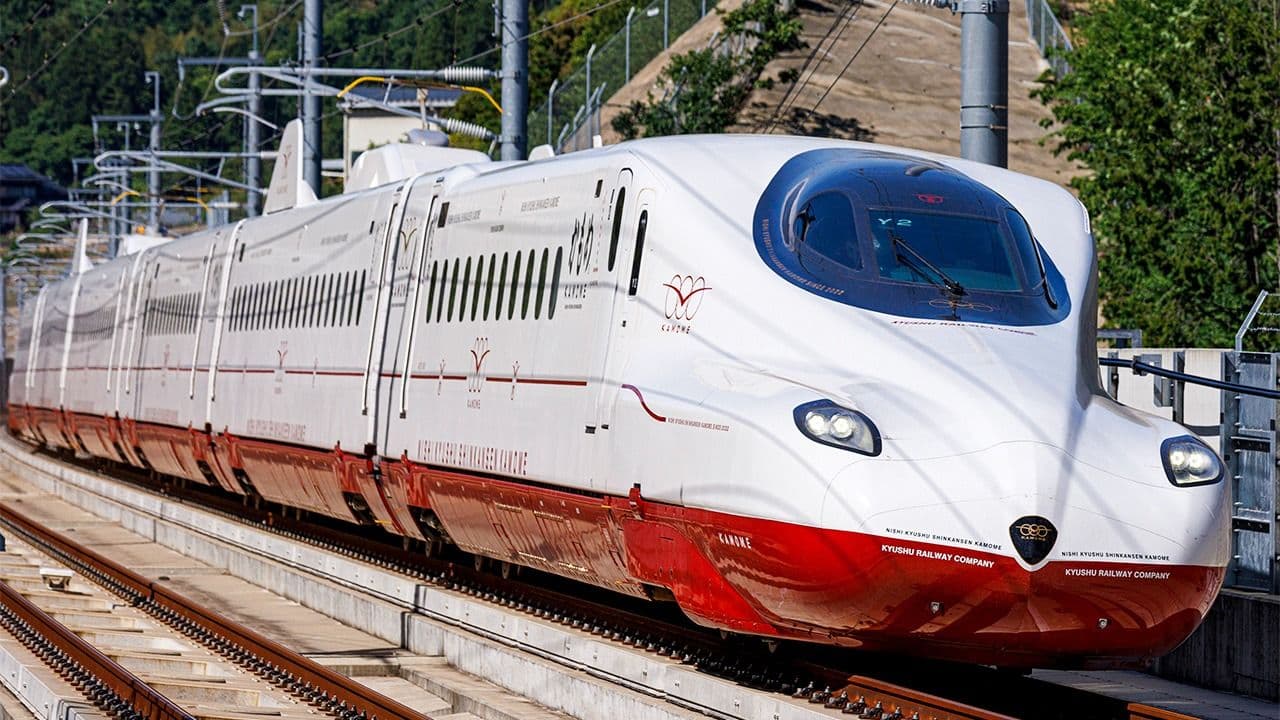 Article
Nishi-Kyūshū Shinkansen Guide: Trains, Fares, and Sights
The Nishi-Kyūshū Shinkansen, linking Takeo Onsen and Nagasaki, started operations on September 23, 2022. Read on for details of the new trains and services.
nippon.com Video
VideoWhat to do in NAGASAKI during your first visit | Japan Travel
A Dutch couple's first-visit tour of Nagasaki — Dejima, Glover Garden, Chinatown, the Peace Park and Mount Inasa — that gives a truthful sense of the hilly, compact city.
youtube.com Video
VideoDragon Dance Kunchi Nagasaki, Japan
A hundred seconds of the jaodori dragon dance at Kunchi — the act Chikugomachi brings back in 2026 for the first time in seven years.
youtube.com

Take it from here
Everything on this page is public. An account is where it becomes your own trip.
- Save a collection and add your own finds
- Ask for a day-by-day plan that shows where each stop came from
- See what’s on near your saves in the run-up to your trip
- Take it with you on the trip, one day at a time